

Stewardship of a Historic Landmark
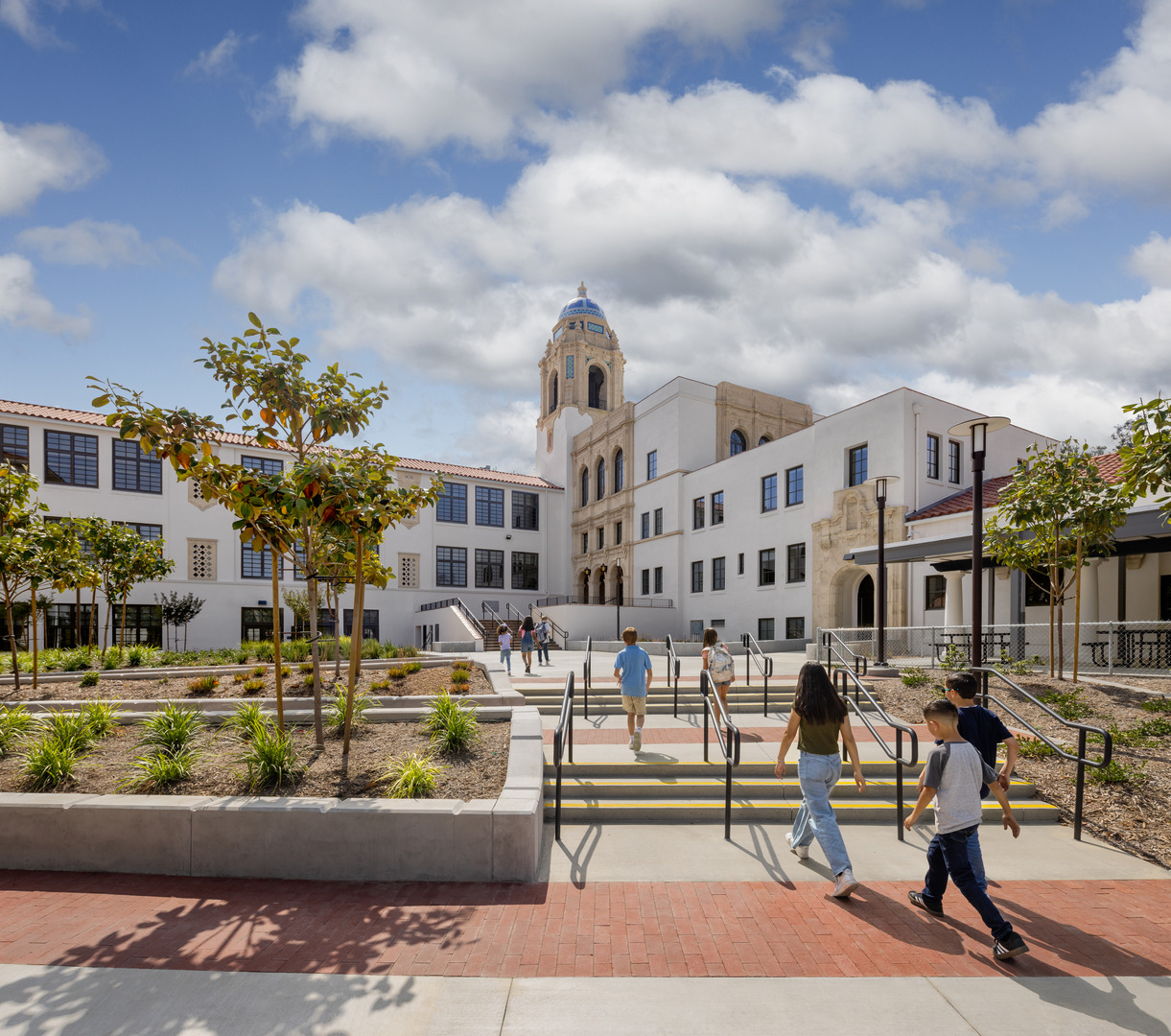
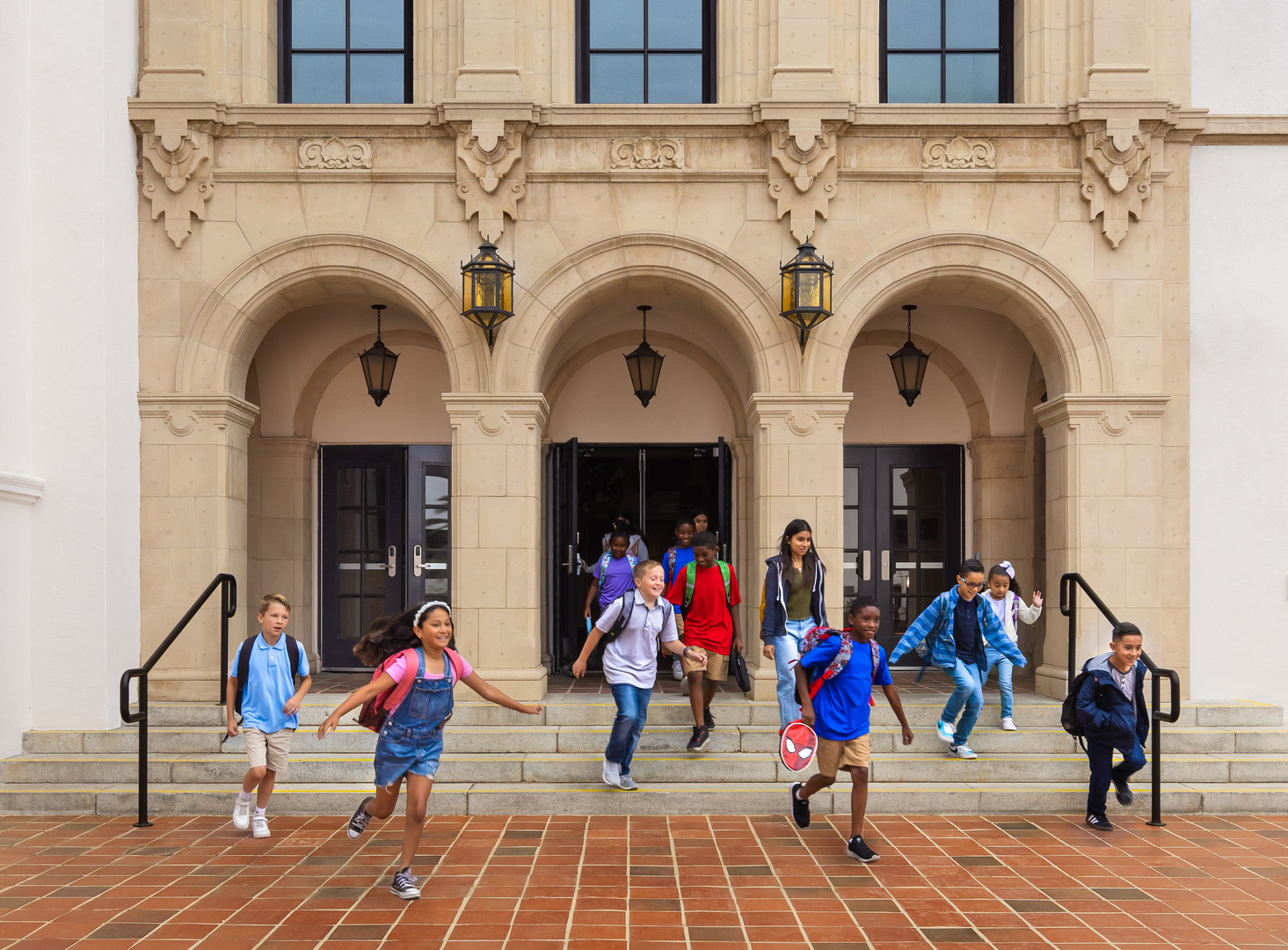
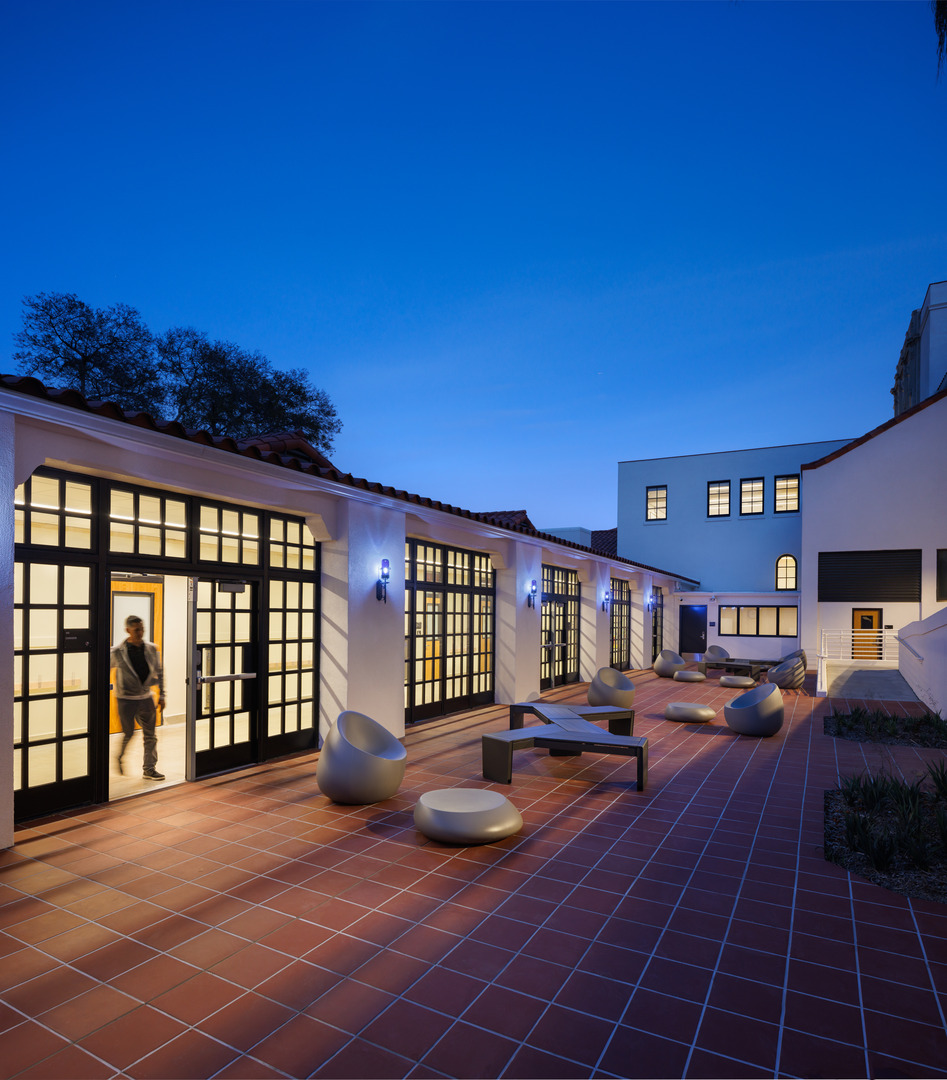
Originally constructed in 1927, El Rodeo Elementary School is a defining civic and architectural presence in Beverly Hills. Designed in the Spanish Renaissance Revival style, the campus is recognized for its iconic dome, ornate detailing, and rich craftsmanship. The historic modernization and seismic retrofit project was driven by a singular goal: preserve the school’s character-defining features while aligning the campus with current safety, performance, and educational standards.
Funded by Measure BH, the project modernized all five buildings across the 118,000-SF campus. Work was completed through a carefully sequenced, multi-phase approach that included selective demolition, asbestos abatement, seismic strengthening, mechanical and electrical upgrades, and extensive restoration of historic architectural elements.
Precision Preservation and Seismic Resilience
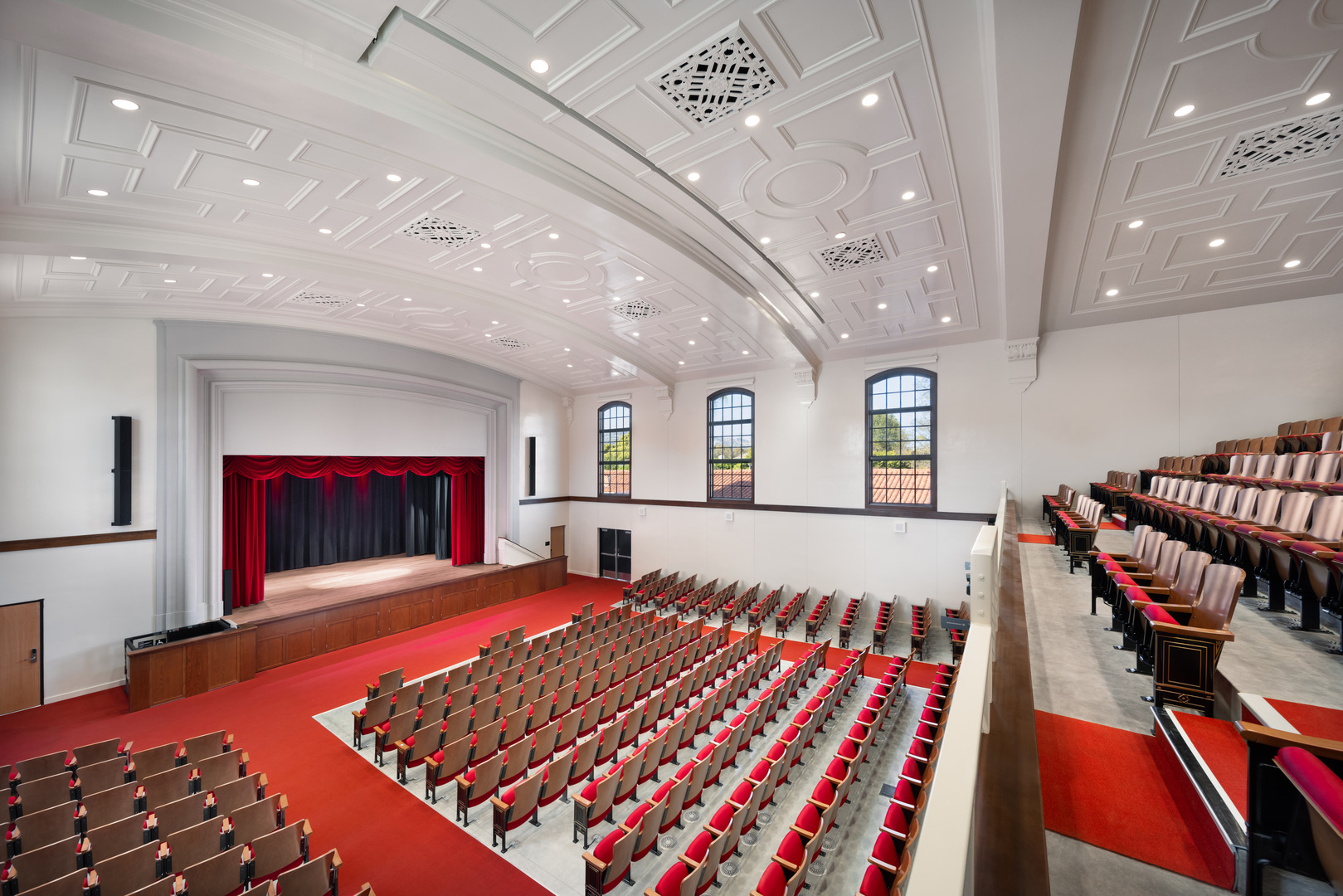
Because of El Rodeo’s historic designation, seismic retrofitting required extraordinary care. Structural interventions were designed to protect—and in some cases replicate—character-defining features so the building would appear virtually untouched. Intricate ceiling details, decorative moldings, cast stone, and ornamental tile were either preserved in place or carefully removed, documented, and recreated to match the original craftsmanship.
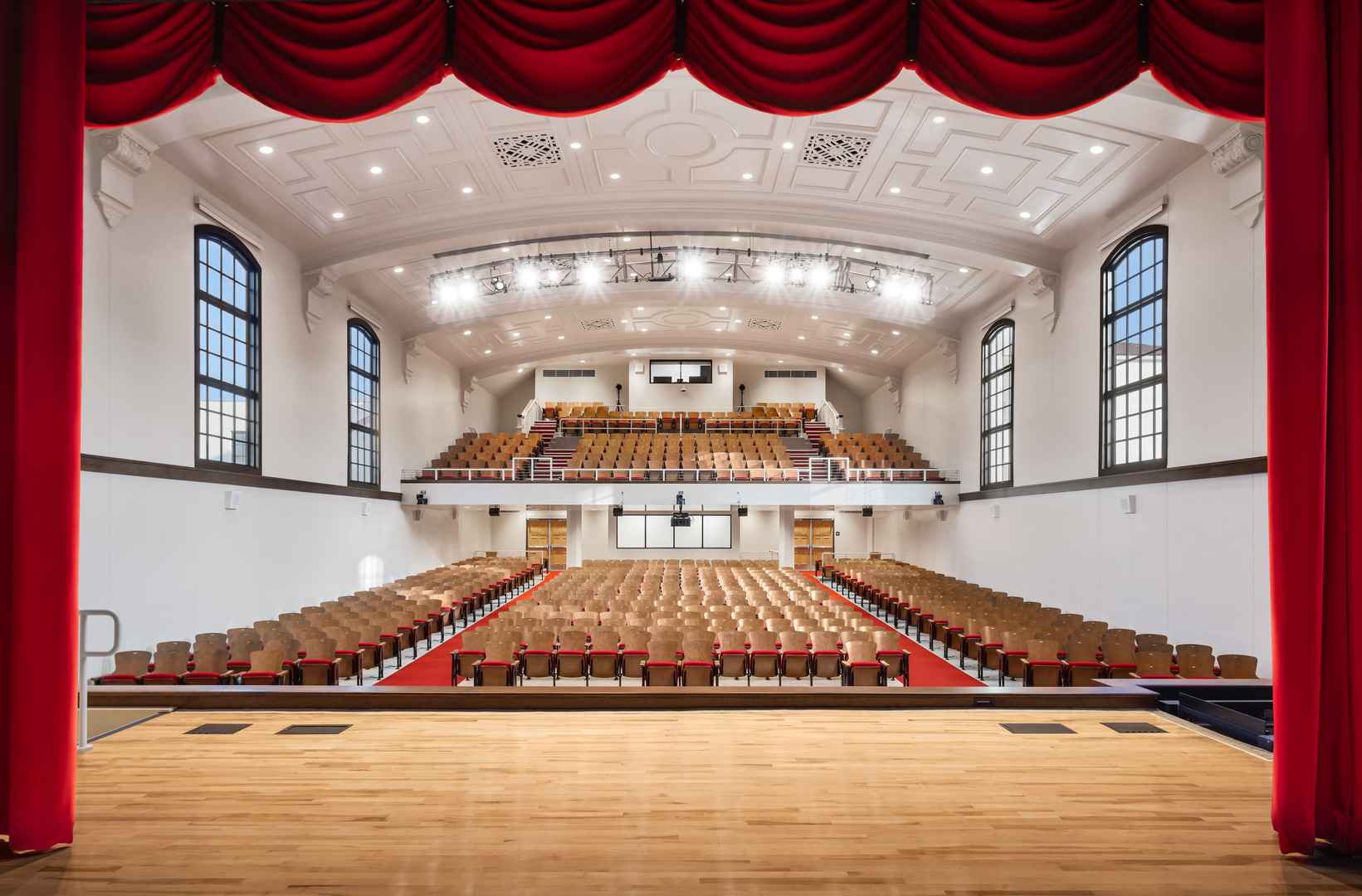
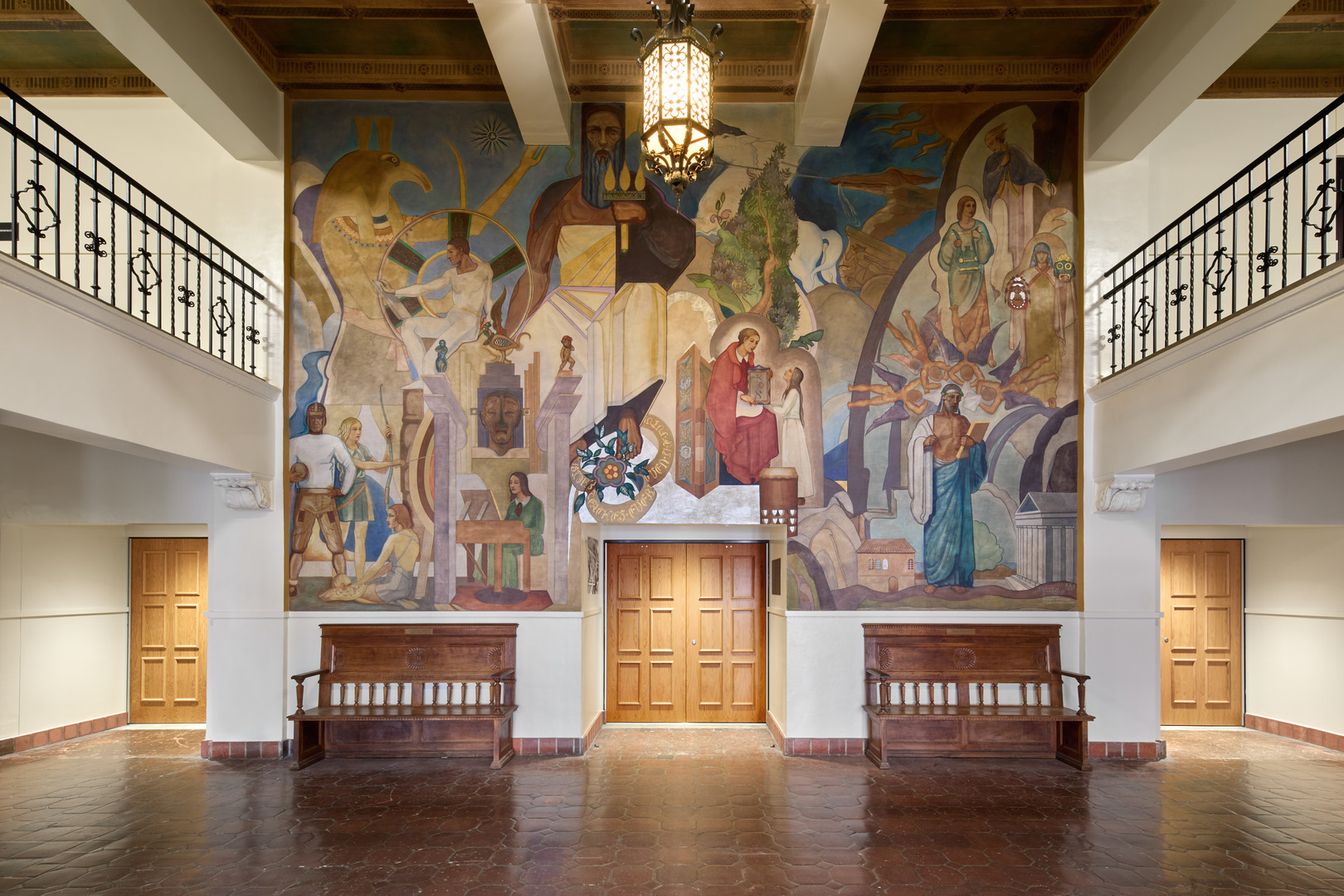
A centerpiece of the project was the preservation of the historic auditorium and its 1934 Hugo Ballin mural—an important cultural artifact from the Works Progress Administration era. The 673-seat auditorium was restored to reflect its original appearance while discreetly integrating new seating and modern audiovisual systems, ensuring the space remains both historically authentic and fully functional.
Modern Learning Within a Historic Framework
Balancing historic restoration with contemporary educational needs required a nuanced design strategy. While the building’s core, shell, circulation spaces, and major gathering areas were preserved or faithfully replicated, instructional spaces were reimagined to support evolving pedagogies.
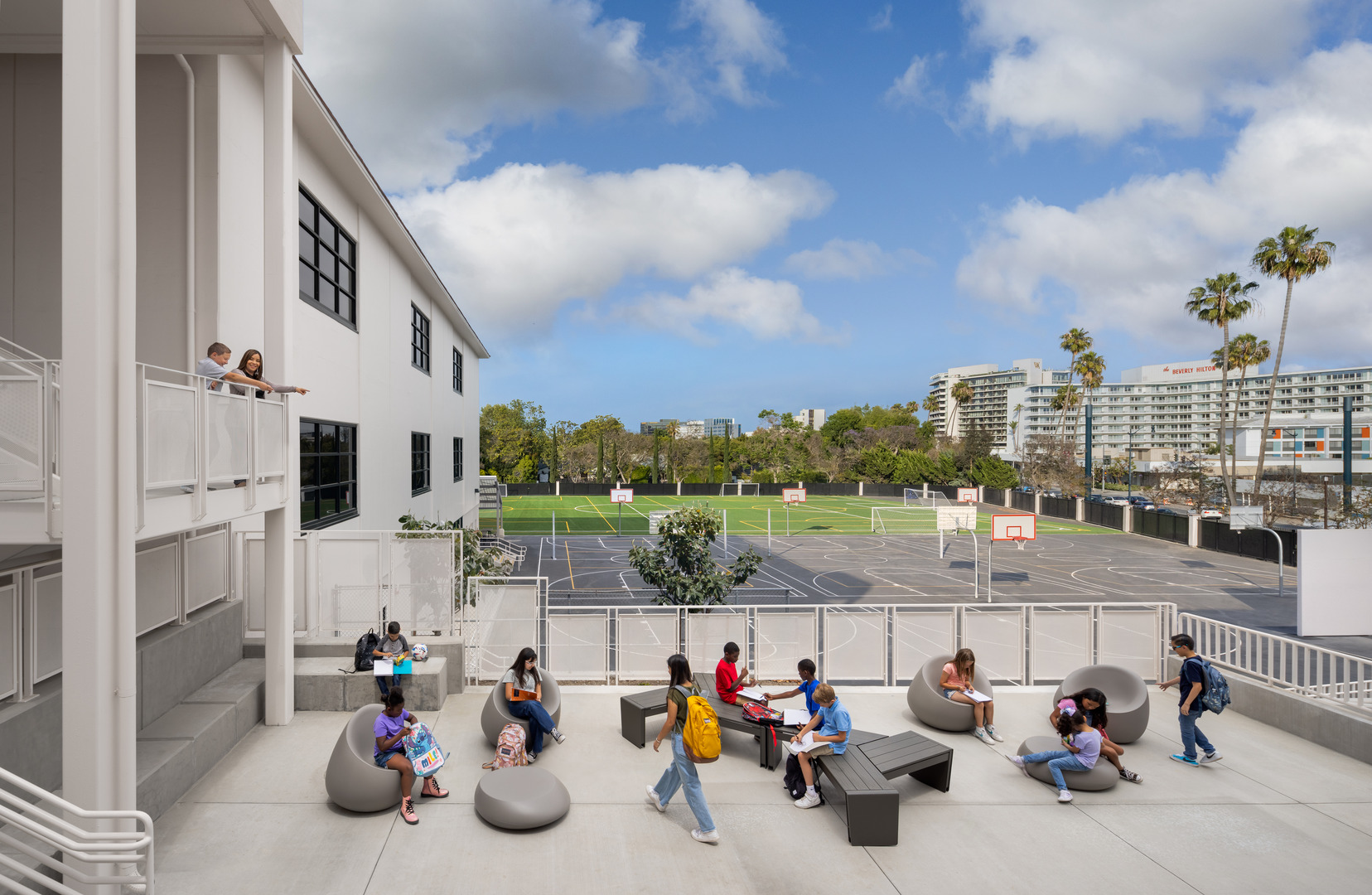
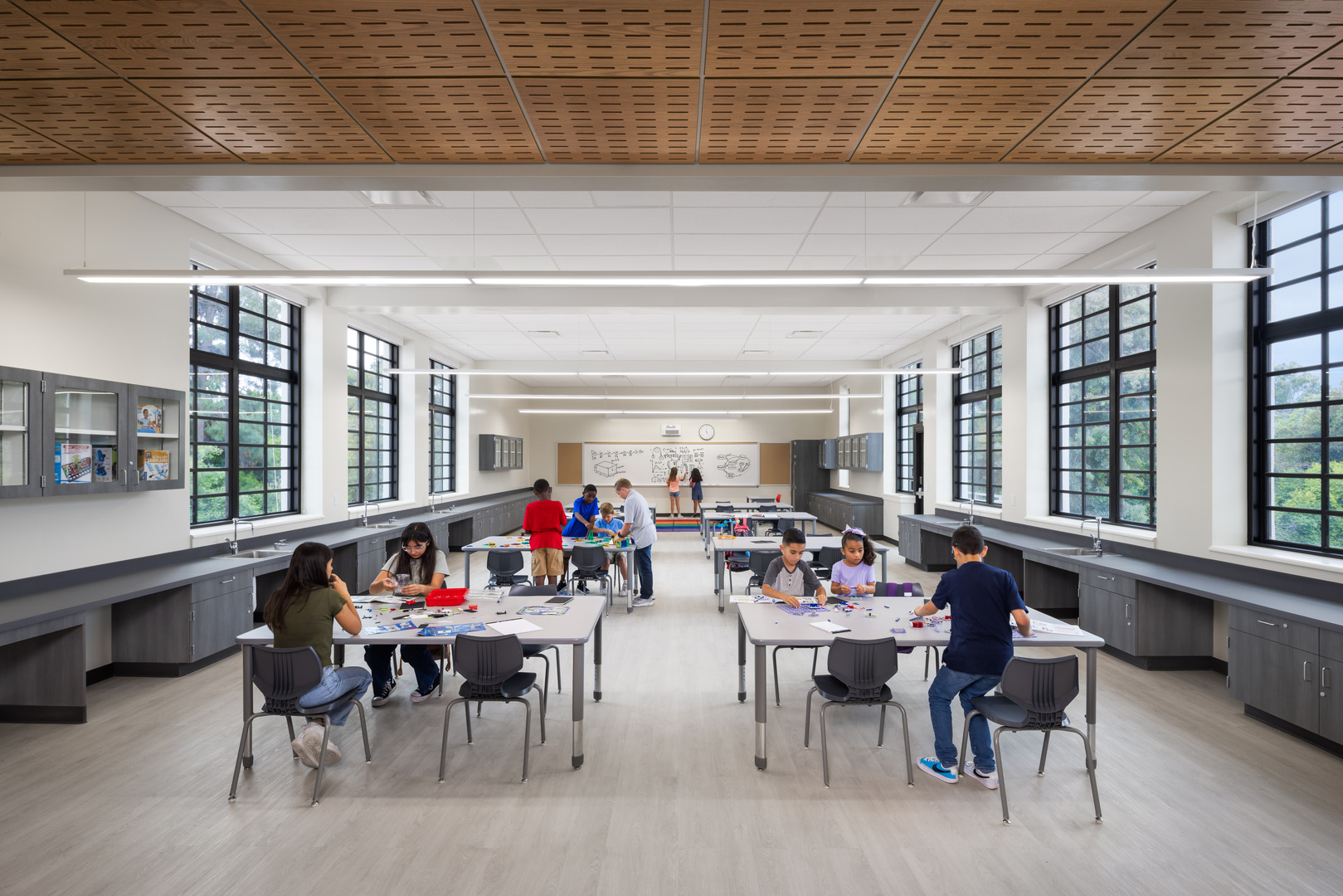
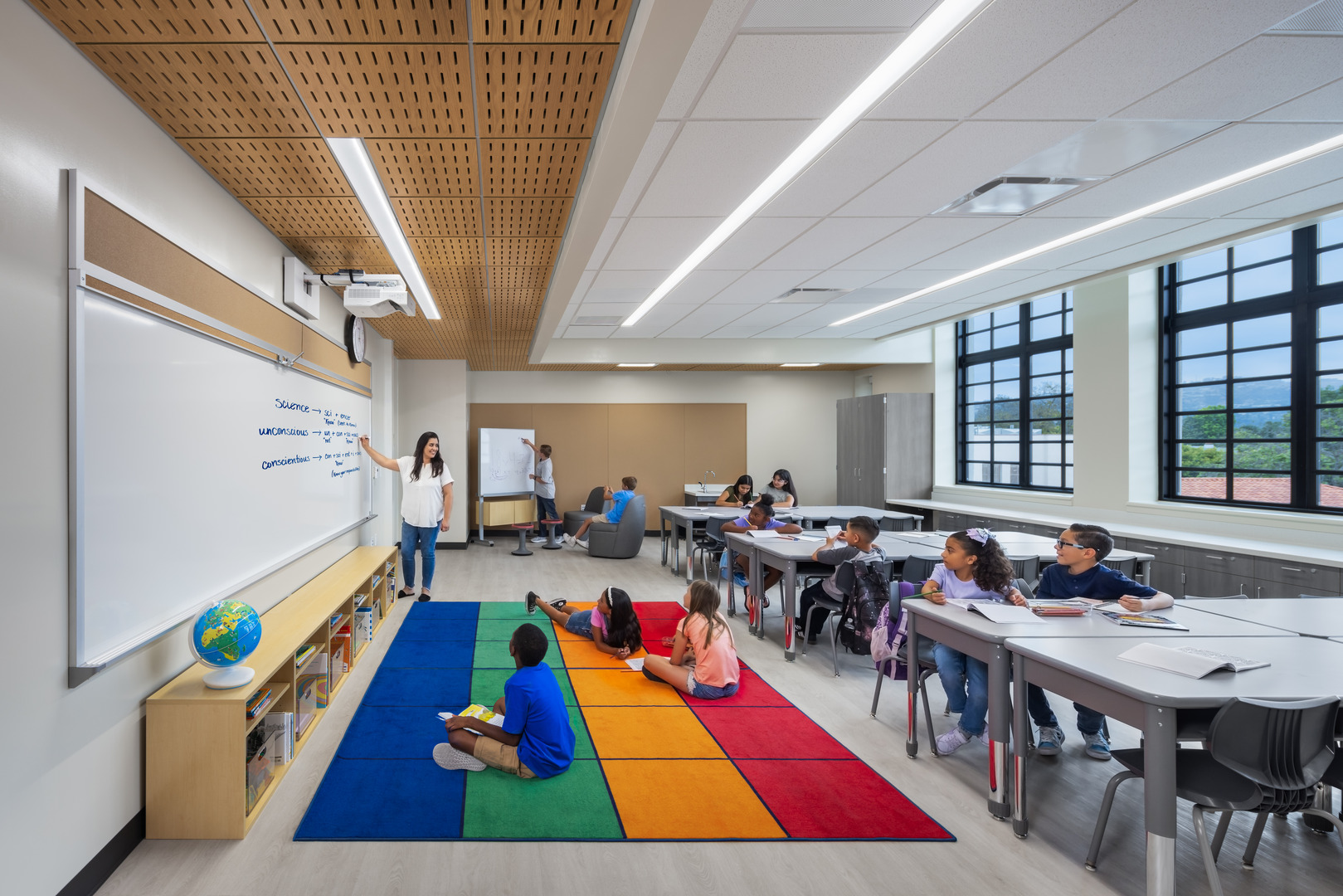
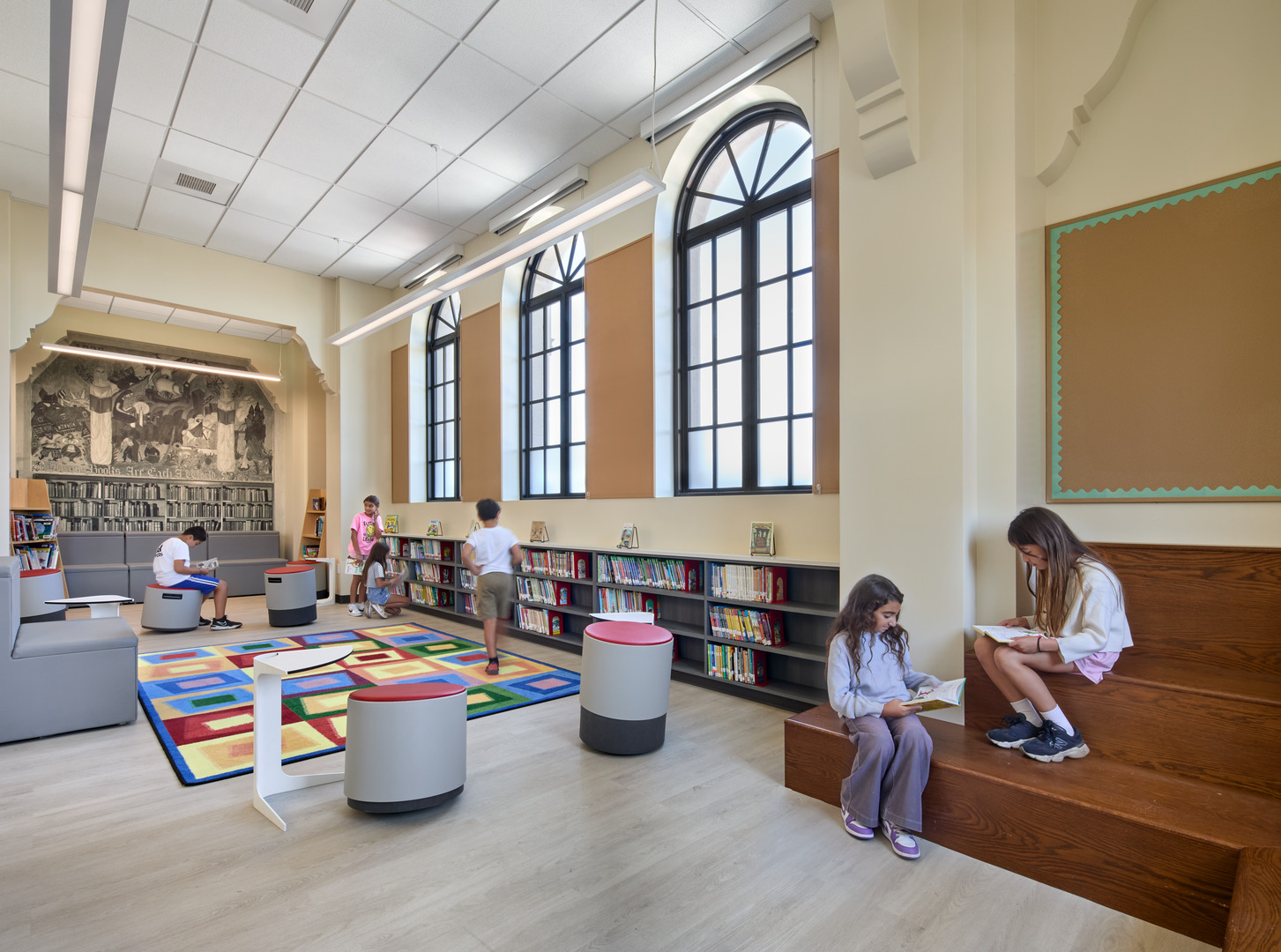
Classrooms now accommodate flexible furniture systems, integrated technology, and collaborative learning modes. New and upgraded spaces—including a maker space, media center, science lab, and collaboration zones—support hands-on, inquiry-based learning while remaining visually and materially consistent with the historic campus.
Sustainability Through Reuse and Performance Upgrades
At El Rodeo, sustainability began with preservation. Retaining and modernizing the existing structures significantly reduced embodied carbon while extending the life of a beloved community asset. Building systems were comprehensively upgraded to improve energy efficiency, indoor air quality, and long-term performance.
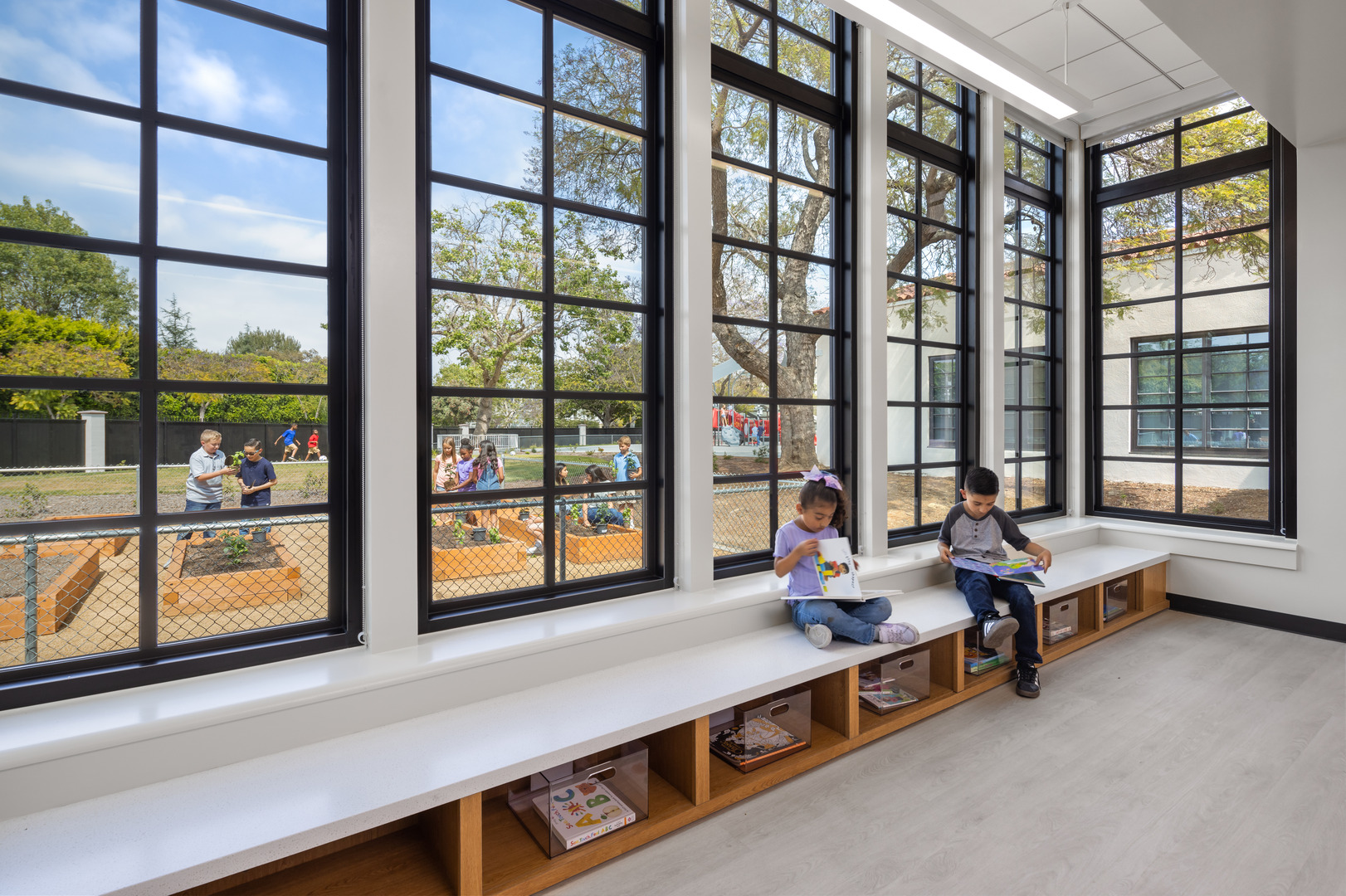
Improvements include high-efficiency mechanical systems, campus-wide LED lighting, insulated glazing paired with replicated historic windows, and modern plumbing fixtures that significantly reduce potable water use. These upgrades deliver measurable environmental benefits without compromising the school’s architectural integrity.
A Community Investment with Lasting Impact
More than a construction effort, El Rodeo’s modernization reflects the community’s dedication to honoring its past while investing in future learners. The project navigated complex funding timelines, regulatory approvals, and pandemic-era challenges, requiring adaptability, collaboration, and trust between the design team, district, and community partners.
After closing in 2019 for renovations, El Rodeo reopened as a TK–5 elementary school, welcoming students and educators into a campus that feels both timeless and forward-looking. The project stands as a model for how historic school buildings can be preserved, strengthened, and reimagined to support modern education—ensuring that architectural legacy and student success move forward together.