Welcome to Five in Focus, HMC Architects’ blog series spotlighting the trends, ideas, and innovations shaping the future of architecture and design. Each edition features insights from our leaders as they share what inspires them and what informs their work.
Higher education leaders are navigating one of the most complex moments in recent memory. Enrollment shifts, funding uncertainty, aging infrastructure, and evolving student expectations are reshaping how institutions think about campus planning and long-term investment. At the same time, emerging partnership models and new approaches to governance are creating opportunities to rethink what growth can look like.
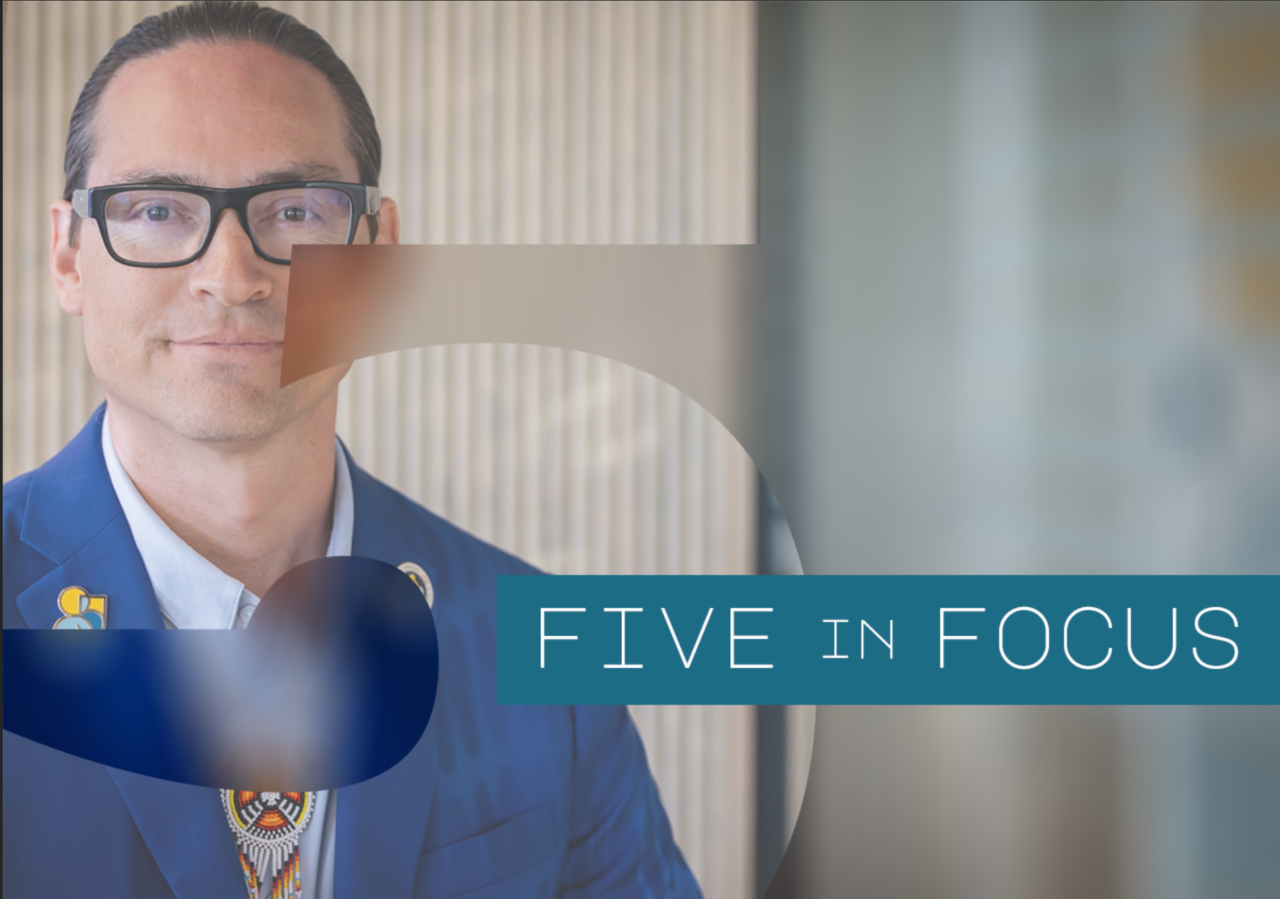
In this edition of HMC Architects’ Five in Focus, Higher Education Principal-in-Charge Kyle Schertzing shares five issues shaping the future of campus development, including enrollment volatility and lifecycle value, Tribal partnerships, and new pathways for strategic growth.
1. Capital Planning in an Era of Enrollment Volatility
Universities are being asked to make long-term capital commitments at a time when enrollment, revenue, and student demand are increasingly unpredictable. Traditional assumptions, steady growth, stable funding, and linear planning no longer hold. Too often, uncertainty does not simply slow projects down; it freezes decision-making entirely. The institutions best positioned for success will view volatility not as a reason to pause, but as a signal to pursue more flexible and adaptive capital strategies. Future-ready campuses are being shaped by leaders who plan for multiple outcomes rather than rely on a single forecast.
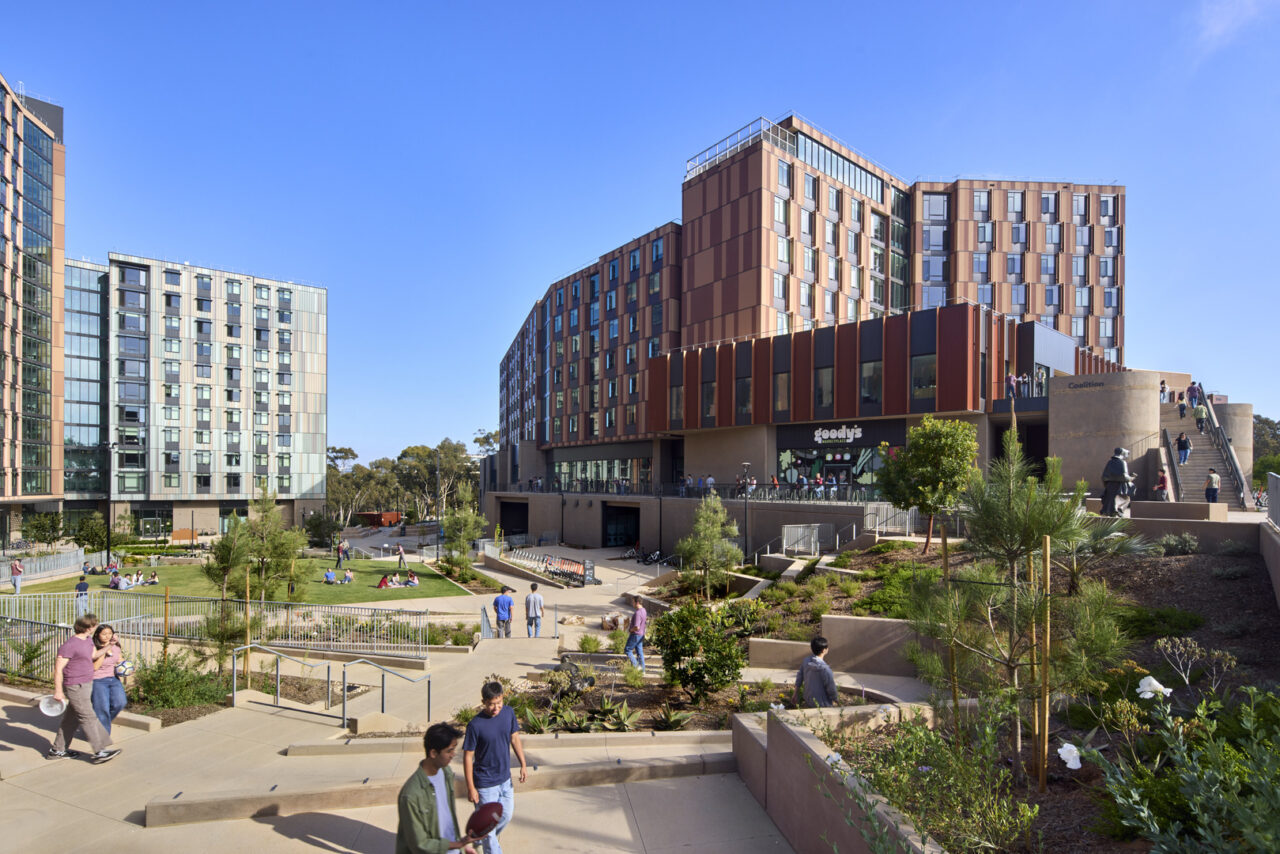
UCSD Ridge Walk North Living and Learning Neighborhood, Lawrence Anderson Photography
2. Sovereign-Enabled P3 Partnerships with Tribal Nations
One of the most compelling models emerging in higher education and healthcare is the sovereign-enabled P3 structure, in which Tribal Nations hold land in trust. At the same time, universities share ownership and operate a built asset. While still emerging in higher education, sovereign-enabled partnerships are already proving viable in adjacent sectors. Tribal Nations across the U.S. have successfully leveraged land-in-trust frameworks to deliver hospitality, healthcare, and energy infrastructure through public–private partnership models. Similarly, First Nations in Canada are advancing large-scale developments outside conventional municipal entitlement systems, accelerating delivery while maintaining sovereign control. These precedents point to a clear opportunity for higher education institutions to rethink how land, governance, and capital align. At its best, this approach moves beyond symbolic partnership and into true co-investment, reshaping how institutions think about ownership, risk, and long-term value while creating meaningful outcomes for all communities involved.
3. Speed vs. Certainty in Project Delivery
Every capital leader understands the tension between moving quickly and minimizing risk. Too often, projects stall because institutions feel forced to choose between the two. Yet accelerating delivery without certainty introduces risk, while excessive caution carries its own consequences, such as missed funding opportunities, rising construction costs, and delayed student impact. It is increasingly clear that speed and certainty are not opposites. Both are outcomes of stronger alignment early in the process. Alternative delivery and governance models continue to gain traction because they create clearer project authority, fewer handoffs, and more predictable decision-making.
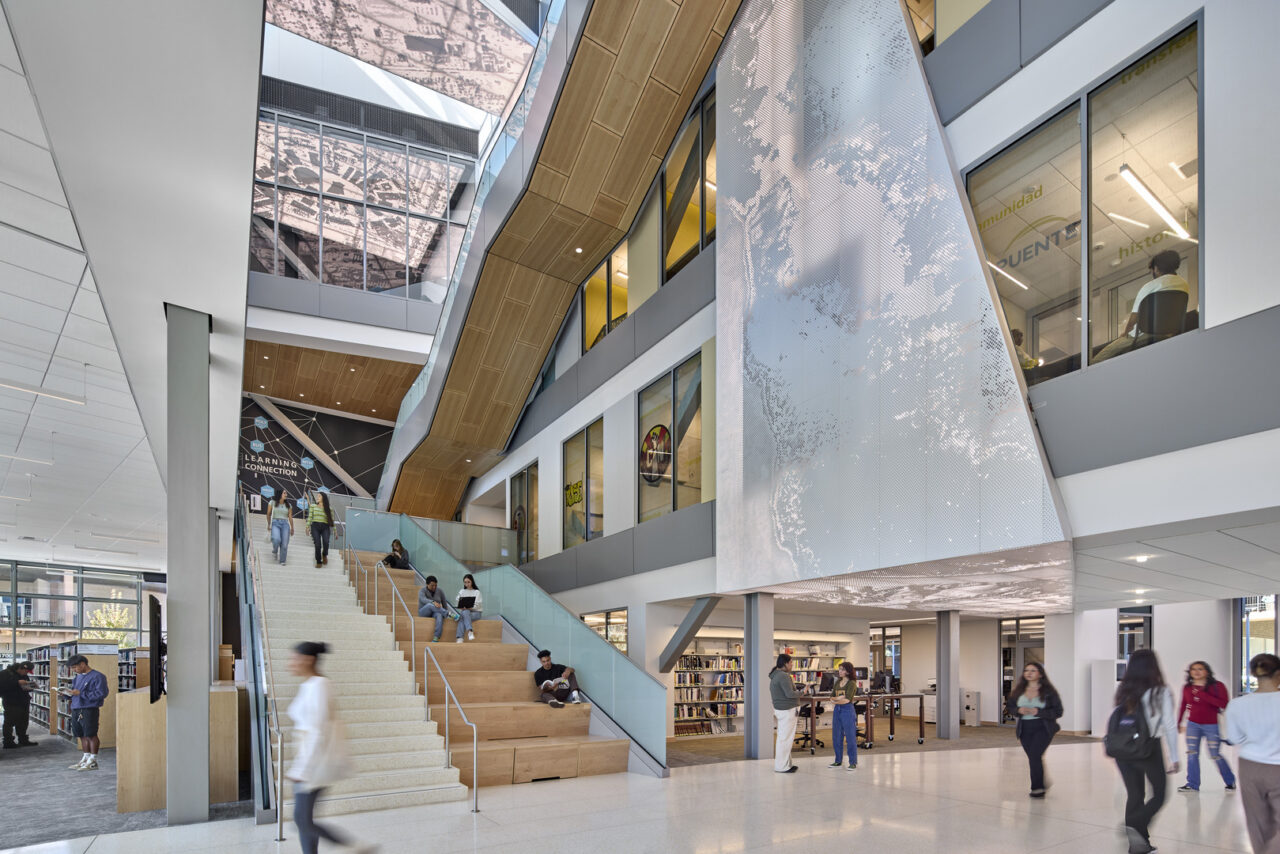
Chabot College Library and Learning Connection, Lawrence Anderson Photography
4. Unlocking Campus Growth Without Entitlement Warfare
Many campuses, particularly across the West Coast, face years of hurdles, community resistance, and regulatory complexity in advancing mission-critical projects. Strategic partnerships with Tribal Nations offer a fundamentally different path—one rooted in government-to-government relationships rather than prolonged land-use conflict. On Tribal land, development follows sovereign governance frameworks rather than traditional municipal entitlement processes, creating clearer and more predictable pathways forward. While this shift is still emerging in higher education, its signals are beginning to take shape. Tribal land returns in California and growing university–Tribal collaborations point to a future where land control, not entitlement negotiation, defines how and where development occurs. When institutions grow through sovereign partnerships, expansion becomes less adversarial and more collaborative. The opportunity extends beyond speed or cost; it reframes campus growth from confrontation to partnership.
5. Lifecycle Cost vs. First Cost: Who Really Decides?
Universities frequently discuss resilience, long-term performance, and lifecycle value, yet capital decisions are still often driven by first cost and near-term financial pressures. The disconnect is rarely about intent. More often, it stems from governance structures, incentives, and who ultimately holds decision-making authority. Ownership models quietly shape outcomes in powerful ways, influencing whether lifecycle performance is genuinely prioritized or discussed. Innovative approaches, such as the restorative action planning model at San Diego Mesa College, part of the San Diego Community College District (SDCCD), challenge institutions to reconsider whether traditional lifecycle cost analysis continues to reflect the realities campuses face today.
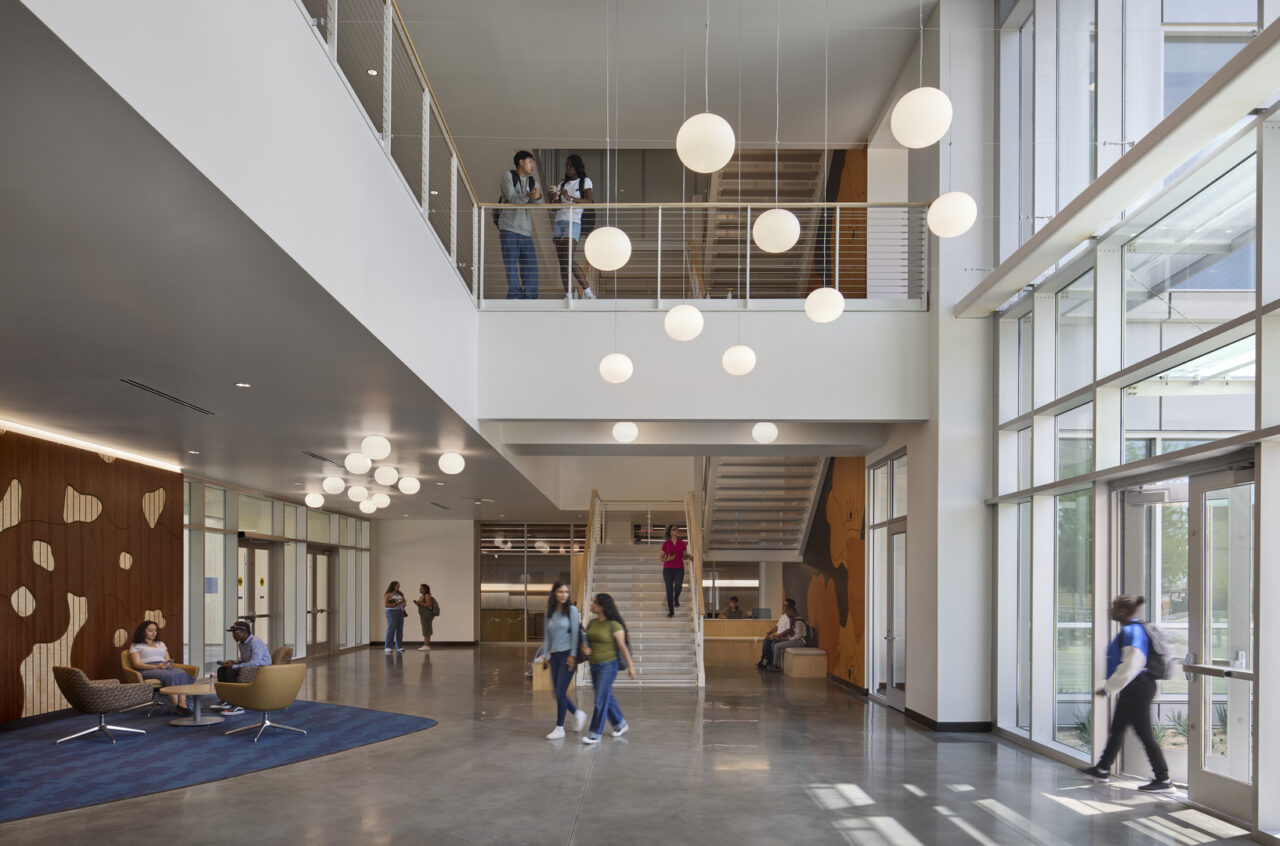
Antelope Valley CCD Cedar Hall, Lawrence Anderson Photography
The Bigger Picture
As higher education institutions confront uncertainty, it’s clear that yesterday’s capital planning assumptions are no longer enough. The future of campus development will require more adaptive thinking, new partnership models, and governance structures that better align long-term institutional goals with financial realities. For institutions willing to rethink conventional approaches, the opportunity is not simply to build faster, but to build smarter, more resiliently, and with greater long-term impact.