Healthcare environments are inherently stressful. Patients often arrive during vulnerable moments, families face uncertainty, and clinicians work amid sustained emotional intensity. While medical care focuses on physical healing, the built environment can also influence how safe, supported, and in control people feel throughout the care experience.
In a recent article for Healthcare Design, HMC Architects’ Healthcare Practice Leader Daniel Perschbacher, AIA, ACHA, Assoc. DBIA explores how trauma-informed design principles can help healthcare organizations create spaces that foster dignity, comfort, and trust.
The article outlines four key considerations for the built environment:
- Expand the definition of safety. Beyond infection control, security, and clinical efficiency, healthcare spaces should support emotional and psychological safety. Clear wayfinding, intuitive circulation, and welcoming arrival experiences can reduce uncertainty and help patients and families feel oriented.
- Create opportunities to decompress. Seating alcoves, quiet rooms, window-facing niches, and other small areas of refuge can offer relief from the activity of waiting rooms, corridors, and clinical spaces. These restorative spaces can also help clinicians reset during demanding shifts.
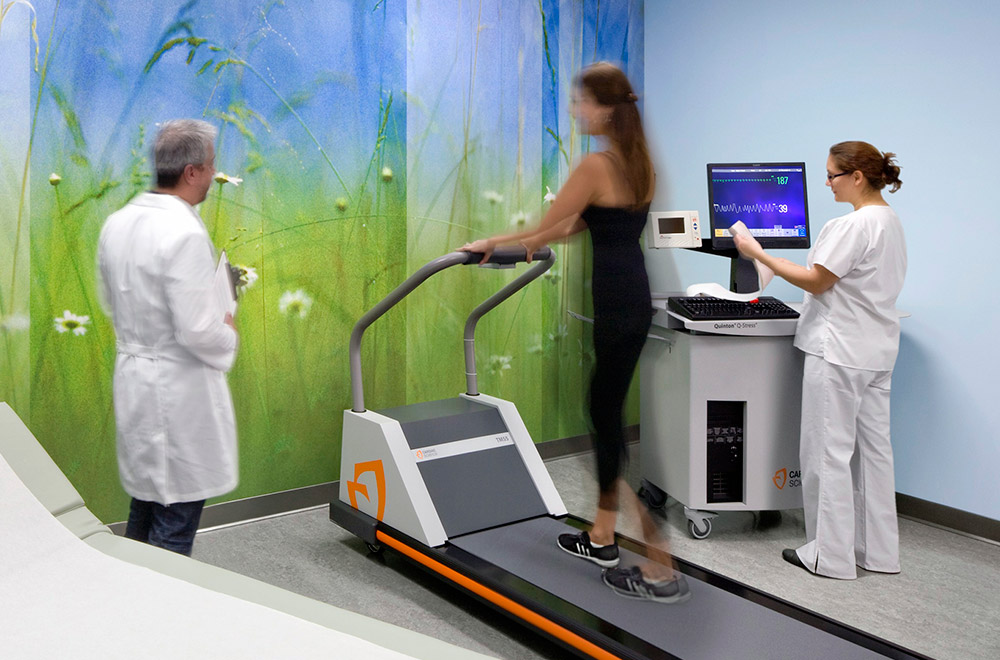
- Restore a sense of choice. Because healthcare experiences can leave patients feeling as though they have little control, design can help restore agency through access to daylight, views of nature, natural patterns, and warm, tactile materials.
- Design for the senses. Glare, noise, strong odors, and visual clutter can intensify stress. Acoustic controls, layered lighting, calming materials, and visual clarity can help moderate sensory input and create a more supportive environment.
Although trauma-informed design often begins by addressing the needs of vulnerable populations, its principles can improve the healthcare experience for everyone. By considering how people perceive and respond to their surroundings, design teams can create environments that support emotional regulation, staff well-being, and a greater sense of trust.
These ideas are explored further in HMC’s guidebook, Architecture of Healing: Trauma-Informed Design, developed in collaboration with Bassetti Architects, a Design Studio of HMC Architects.
Read the full article in Healthcare Design.