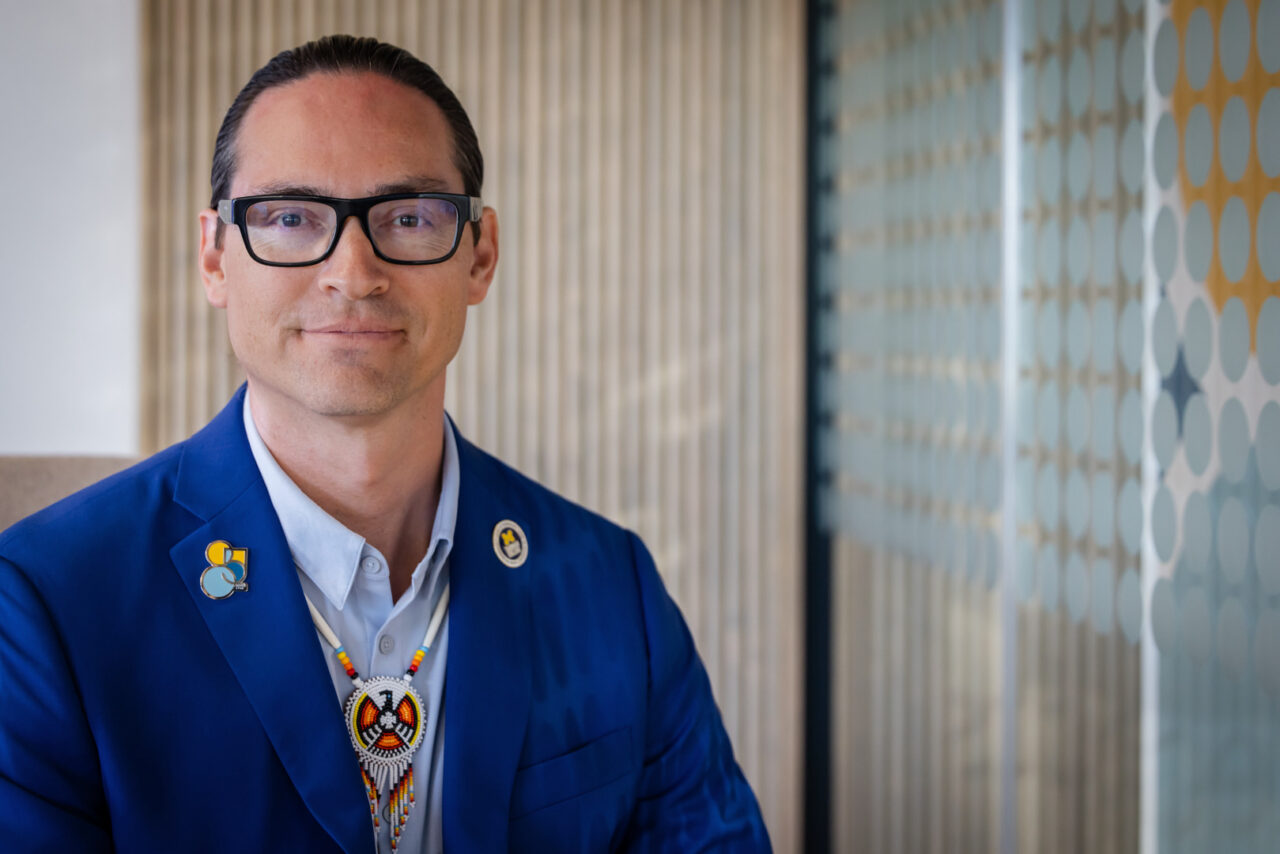
HMC Architects has announced that Kyle L. Schertzing, AIA, DBIA, has joined the firm as a principal-in-charge in its higher education practice, bringing more than two decades of experience helping institutions and universities navigate complex planning, development, and campus transformation initiatives.
Schertzing will work closely with colleges and universities across California and the Pacific Northwest to align academic vision, capital planning, and campus design, an increasingly critical challenge as institutions adapt to shifting enrollment patterns, evolving student expectations, climate commitments, and growing pressure to maximize the impact of limited resources.
His arrival strengthens HMC’s ability to help institutions move beyond individual projects toward long-term, mission-aligned campus strategies that support student success, interdisciplinary learning, and vibrant campus communities.
“Kyle understands the pressures universities face and knows how to turn vision into action,” said James Sink, AIA, LEED AP, DBIA, higher education practice leader at HMC. “From the first conversation, it was clear that he brings a rare mix of curiosity, thoughtfulness, and presence. He offers sharp insight and a genuine energy that elevates every discussion, and it quickly became evident he would be a strong cultural fit for our team.”
Schertzing is widely respected for guiding institutions through complex initiatives that require balancing academic priorities, stakeholder engagement, and campus growth. His portfolio includes major campus planning efforts and large-scale academic and residential environments that support learning, collaboration, and community life.
A citizen of the Little Traverse Bay Band of Odawa Indians, Schertzing brings a values-driven perspective to leadership grounded in principles of stewardship, reciprocity, and long-term impact.
“What excites me most is the moment higher education is in right now,” Schertzing said. “Institutions are being asked to do more academically, culturally, and socially while navigating limited resources and higher expectations. That kind of complexity is where thoughtful planning and design can make the greatest difference.”
Schertzing said he was drawn to HMC’s Design for Good philosophy and the firm’s longstanding commitment to creating environments that support wellness, equity, and community impact.
“For me, Design for Good means taking responsibility for the long arc of impact,” he said. “It’s not just about what a building looks like on opening day—it’s about how it performs culturally, academically, and socially over time. When campuses reflect values such as belonging, access, and stewardship, architecture becomes a genuine force for good.”
At HMC, Schertzing will focus on strengthening client partnerships while helping universities connect planning, capital investment, and design into cohesive strategies that support students, faculty, and communities for decades to come.
He holds a Bachelor of Science in Architecture from the University of Michigan’s Taubman College of Architecture and Urban Planning and a Master of Architecture from the Architectural Association School of Architecture in London.