The Harbor Learning Centers in Orange County, California, illustrate how school environments can reshape outcomes for students who have not thrived in traditional settings. As part of the Orange County Department of Education alternative education system, the North and South campuses provide structured, supportive environments designed to re-engage students academically while addressing broader social needs.
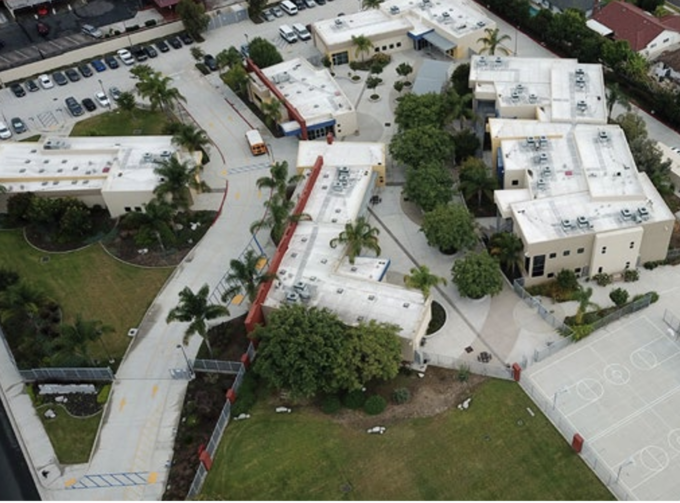
Completed in 2022, the Harbor Learning Center North campus was designed as a centralized, purpose-built facility to replace a collection of smaller, scattered learning environments. The 26,000-square-foot campus sits on 3.8 acres and serves approximately 350 students, with 13 classrooms, administrative offices, a library and learning commons, a multipurpose room, and indoor and outdoor dining areas. The campus reflects a shift toward models that bring academic instruction and support services together in one location, improving both access and continuity for students.
By contrast, the Harbor Learning Center South campus operates on an existing site in Fountain Valley and is known for its emphasis on experiential learning, including garden-based education. Together, the campuses provide flexible environments that integrate academics, counseling, and hands-on learning. The model emphasizes smaller learning communities, adaptable spaces, and access to resources that help students stay engaged and on track toward graduation. What began as a facilities effort to consolidate programs has evolved into something more meaningful: a model for how design can support students who have struggled to find their place in traditional schools. The campus design responds directly to these realities. Organized around a central promenade with clear sightlines, the layout minimizes isolated areas and supports supervision. Controlled entry sequences establish a sense of routine and stability from the moment students arrive.
Photos by: Orange County Department of Education
Designing for Belonging
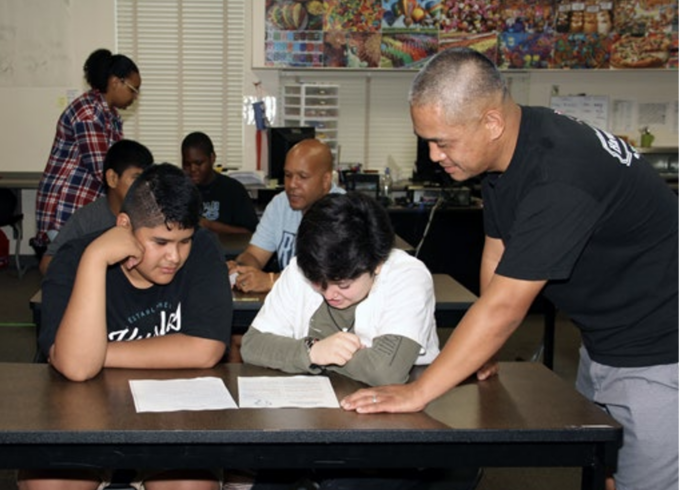
At Harbor, the physical environment plays a critical role in shaping student experience. The campuses are designed to create a sense of belonging for students who may not have felt successful in conventional school settings. Spaces for collaboration, family engagement, and hands-on learning reinforce that these are places where students are supported and valued.
The educational approach extends beyond academics. Students have opportunities to recover credits, re-engage with learning, and explore career pathways through programs such as digital media, culinary arts, and other career and technical education offerings. These experiences help students build practical skills while developing confidence and a renewed sense of purpose.
Equally important are the relationships formed within these spaces. While the facilities provide the framework, it is the connection between students and educators that ultimately drives success. As one administrator noted, it is often these relationships that students describe as life changing.
As a county-operated program, Harbor works in close partnership with local districts, serving students who may be expelled or who need an alternative to traditional campuses. This structure allows the campuses to function as both academic environments and support systems, addressing a wide range of student needs.
We want our students to see that their past does not define them—and that there is more ahead for them. – Maria Martinez-Poulin, Chief of ACESS Programs, Orange County Department of Education
A Campus That Signals Value
Before Harbor Learning Center South was established, many students attended classes in scattered storefront locations— spaces never intended for education. Wedged between retail tenants, these environments lacked both the physical qualities and psychological cues of a school, reinforcing a sense of disconnection. For students already facing academic and personal challenges, the setting made it difficult to feel part of a meaningful institution.
The decision to invest in purpose-built facilities marked a significant shift. Despite funding constraints, the goal extended beyond consolidation to transformation. The intent was to create a place where students could feel safe, supported, and valued— an environment that signals that their education matters.
The students served by Harbor reflect a wide range of needs. Many have experienced instability at home, struggled with behavioral challenges, or been involved with the juvenile justice system. Others are enrolled in specialized programs supporting students with disabilities. For many, Harbor represents a critical opportunity to re engage with education.
The campus design responds directly to these realities. Organized around a central promenade with clear sightlines, the layout minimizes isolated areas and supports supervision. Controlled entry sequences establish a sense of routine and stability from the moment students arrive.
Early classroom layouts reflected a cautious approach, with features intended to reduce conflict and maintain structure. Over time, however, the use of the spaces evolved. As trust developed, classrooms shifted toward more collaborative arrangements, and movement across campus became more fluid. The approach moved from control to connection, with the physical environment supporting a more open and interactive culture.
Photos by: Orange County Department of Education
Integration, Community, and Growth
A defining feature of the Harbor model is the integration of diverse student populations. Rather than separating students by need, the program brings together those with behavioral challenges alongside students in special education, including those with autism, hearing impairments, and physical disabilities. This approach reduces stigma and fosters a culture of acceptance, where students begin to see shared experiences rather than differences.
The physical design reinforces this sense of community. Spaces are scaled to feel approachable, with strong connections between classrooms, outdoor areas, and common spaces. Natural light, landscaping, and open sightlines contribute to a calm, cohesive environment that supports both learning and well-being.
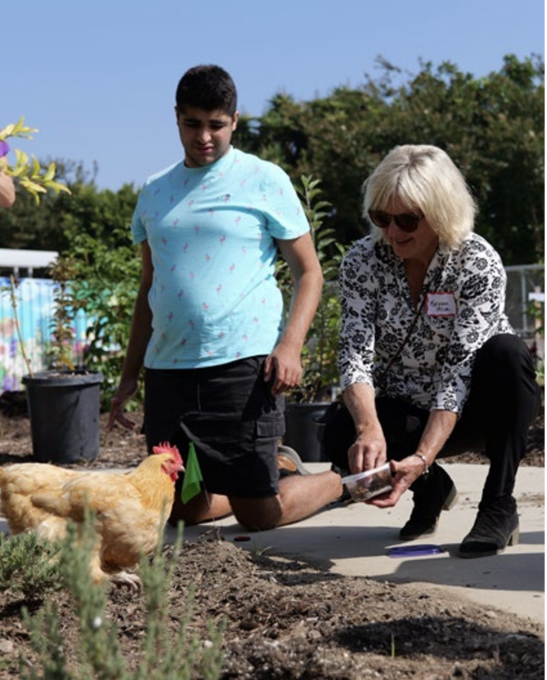
Hands-on learning plays a central role in the student experience. A learning garden, for example, provides both therapeutic and educational value, allowing students to cultivate food and see tangible results from their efforts. These experiences connect directly to career pathways, such as culinary arts, where students move from growing ingredients to preparing them.
Programs like these reflect the school’s evolution from a focus on stabilization to one of preparation, equipping students with skills that extend beyond graduation. The facility’s durability and quality further reinforce this message. Years after completion, the campus remains well maintained, signaling permanence and care. For students, this communicates that they are valued and that their education is worth investing in.
Photos by: Orange County Department of Education
Redefining Alternative Education
Harbor challenges conventional perceptions of alternative education. Rather than isolating students, it creates a cohesive community where differences are normalized, and belonging is prioritized. For many students, it offers their first experience of school as a place where they truly fit.
At the same time, programs like Harbor operate within significant funding constraints. Alternative education is often funded at the same level as traditional high schools, despite serving students with more complex needs and requiring more specialized spaces and services. Limitations in funding eligibility, particularly for career and technical education programs, can further restrict opportunities for students who would benefit most from hands-on, career-connected learning.
Even within these constraints, Harbor demonstrates what is possible when design is aligned with educational purpose. By moving beyond makeshift environments and investing in spaces that reflect the dignity and complexity of the students they serve, schools can create new pathways for engagement and success.
The Harbor Learning Centers show that architecture, when thoughtfully applied, can do more than support education. It can help restore confidence, build connections, and create a foundation for students to move forward with greater stability and possibility.